Understanding Fireworks and Equine Safety Laws Protecting Our Horses 383702000

Understanding Fireworks and Equine Safety Laws Protecting Our Horses 383702000

Understanding Fireworks and Equine Safety Laws: Protecting Our Horses

As the summer months approach, the sound of fireworks fills the air in celebration of holidays and special occasions. However, while the dazzling colors and booming sounds may bring joy to many, they can severely distress horses and other equines. This distress raises critical questions about the legal rights of horse owners and the safety laws designed to protect these sensitive animals. Understanding fireworks and equine safety laws is paramount for horse owners and local communities alike.

The Impact of Fireworks on Horses

Horses, being prey animals, have a heightened sensitivity to sudden and loud noises. Fireworks can trigger fear responses that may lead to panic, injury, or escape attempts. Many horses may exhibit behaviors such as rearing, bolting, or attempting to break free from their enclosures, putting themselves at risk of harm. Additionally, environmental stressors combined with the fireworks—like crowded gatherings and unfamiliar scents—can exacerbate their anxiety.

Legal Rights and Responsibilities

With the potential dangers fireworks pose to equines, it’s essential for horse owners to be aware of the laws governing their use in their municipalities. Laws around fireworks can vary significantly from state to state, and even from city to city. Some areas may have strict regulations or outright bans on the use of fireworks, particularly in areas close to stables or boarding facilities.

Understanding Fireworks and Equine Safety Laws Protecting Our Horses 383702000

Noise Ordinances

Many communities have noise ordinances designed to minimize disturbances during certain hours or days. For equine owners, knowing whether the noise ordinances apply to fireworks is crucial. Horse owners may have _legal recourse_ if fireworks are lit despite local laws prohibiting their use during specific times. In some cases, it might be possible to file a complaint with local authorities if they occur too frequently or too close to horse facilities.

Property Damage and Liability

In the event that a horse panics due to nearby fireworks and causes damage (to property or itself), the question of liability comes into play. Horse owners might be held responsible if it can be shown that they did not take reasonable steps to safeguard their horses during firework displays. This underscores the importance of effective fencing and secure enclosures as part of caring for equines.

Protective Measures for Horse Owners

Given the potential dangers posed by fireworks, here are some proactive measures horse owners can take:
Understanding Fireworks and Equine Safety Laws Protecting Our Horses 383702000
  • Secure Enclosures: Ensure that all fencing is secure and in good condition. Consider double fencing or secondary barriers for added security.
  • Safe Spaces: Create a quiet area within your barn or stable where horses can retreat if they are feeling anxious. This area should be away from windows or open spaces where they might be able to see the fireworks.
  • Desensitization Training: If possible, gradually desensitize your horse to sounds associated with fireworks. Play recordings at low volumes and provide treats and comforts to create positive associations.
  • Calming Aids: Consult your veterinarian about possible calming supplements or solutions that can help alleviate stress in horses during firework displays. These may include herbal supplements or commercially available calming aids.
  • Stay Informed: Keep track of local fireworks displays so you can prepare in advance. Communicating with neighbors about your concerns can also enhance your horse’s safety.

Community Involvement

Education plays a significant role in enhancing equine safety during fireworks season. Horse owners should engage their local communities to raise awareness about the impact of fireworks on horses. Working together to advocate for responsible firework use during celebratory events can help minimize these risks.

In some cases, local organizations or equine associations can partner with city officials to implement designated firework zones that keep displays away from areas where horses are kept. Providing information about the challenges horses face during firework displays can encourage more responsible behavior among the general public.

Conclusion

Fireworks hold a vibrant place in our cultural celebrations; however, the potential dangers they pose to horses cannot be overlooked. Understanding the legal framework surrounding fireworks and equine safety is essential for horse owners to protect their animals and seek recourse if necessary. By taking proactive steps to secure and comfort their horses, horse owners can ensure a safer environment, allowing their horses to remain unharmed as others enjoy the festivities. Community engagement and advocacy for responsible firework practices can further enhance the safety of horses during celebrations, benefiting not just equine owners but also the entire community.


Understanding the Abuse of Notification Systems 379235454

Understanding the Abuse of Notification Systems 379235454

The Dark Side of Notification Systems: A Look at Abuse

In an age where digital communication is paramount, notification systems have become essential tools for keeping us connected and informed. However, the very frameworks designed to enhance communication have also opened doors to potential abuse. This article delves into the various ways in which notification systems can be exploited, shedding light on the phenomena of abuso del sistema de notificaciones rojas and similar practices.

The Importance of Notification Systems

Notification systems serve multiple industries—from social media platforms and instant messaging applications to email services and law enforcement alerts. They are designed to inform users about important updates, messages, and alerts in real-time. The utility of these systems cannot be overstated as they improve response time and facilitate efficient communication in both personal and professional contexts.

Types of Notification Systems

Before we explore the abuse of notification systems, it is essential to understand the different types available:

  • Push Notifications: Common in mobile applications, these notifications provide timely updates directly on users’ devices.
  • Email Alerts: Many businesses leverage email alerts to communicate with customers about product updates, promotions, or critical alerts.
  • System Notifications: Operating systems and software applications often use system notifications to inform users about updates, security issues, or software changes.
  • Social Media Notifications: These let users know about new messages, likes, comments, or important updates from friends and pages they follow.

Understanding Abuse

While notification systems aim to enhance the user experience, they can also be misused in several ways. Understanding these abuses begins with recognizing the intentions behind them:

Understanding the Abuse of Notification Systems 379235454

Two common motivations for abusing notification systems are manipulation and harassment. Individuals or entities may exploit these systems to achieve their objectives—often at the expense of others.

Manipulation of Information

Malicious entities can use notification systems to spread misinformation. For instance, fake alerts about urgent situations can incite panic or confusion among users. This tactic can be particularly dangerous in sensitive contexts, like emergency services, where misinformation might obstruct genuine help when needed the most.

Harassment

Harassment through notification systems has become all too common, especially in social platforms where users receive unwanted messages or alerts. This can manifest as spam, where users are bombarded with persistent notifications designed to exploit their attention.

Case Study: Abuse of Red Notices

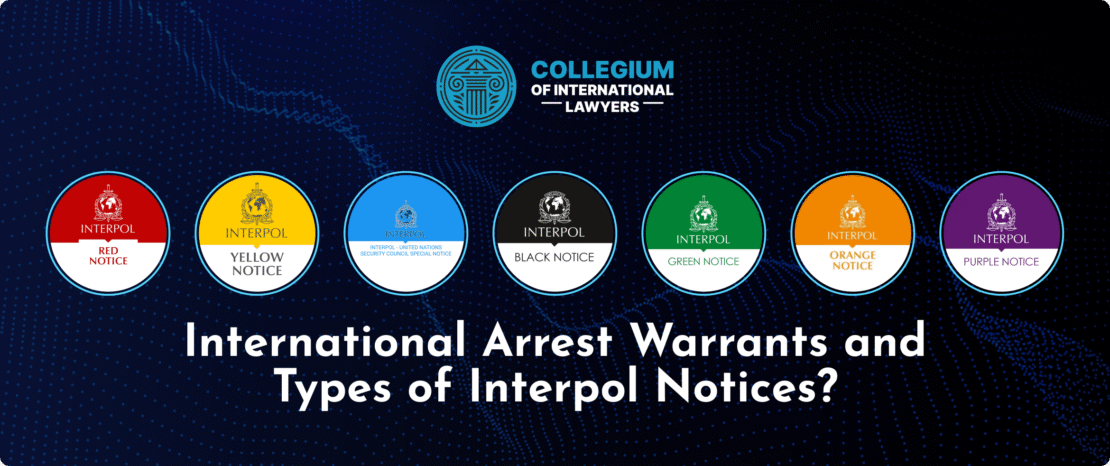
A striking example of notification system abuse involves the misuse of red notices by law enforcement. Originally designed to alert authorities about individuals being pursued for serious crimes, these notices can sometimes be manipulated to detain people for political purposes or to intimidate dissenters.

Individuals targeted unfairly through these means may find their lives upended by arrest warrants that should not exist, all due to the misuse of the very systems meant to provide safety and security.

Consequences of Notification Abuse

The repercussions of abusing notification systems can be profound, affecting both individuals and society at large. For victims, it can mean harassment, false accusations, or a significant breach of privacy. On a broader scale, it can erode public trust in the systems designed to protect them.

Understanding the Abuse of Notification Systems 379235454

Preventive Measures

Preventing the abuse of notification systems requires a combination of technological innovations and policy implementations:

  • Stricter Verification Processes: Requiring more stringent identity verification can help prevent the misuse of notification systems.
  • Enhanced Privacy Settings: Users should have control over their notification settings to mitigate unwanted messages.
  • Education and Awareness: Users need to be informed about the potential abuses of notification systems and how to report them efficiently.
  • Regulatory Measures: Governments and organizations should establish strict guidelines surrounding the use and dissemination of notification systems.

The Role of Users

While technology can play a significant role in mitigating abuse, users themselves must be vigilant. Taking charge of personal settings, reporting suspicious activities, and understanding the system can empower individuals against potential abuses.

Conclusion

Notification systems, when used appropriately, can enrich our digital communication experience. However, understanding their potential for abuse is essential for safeguarding ourselves and our communities. By remaining aware of the tactics used for manipulation and harassment, we can better protect ourselves and advocate for necessary changes in how these systems operate.

As we move forward in an increasingly digital world, it is our collective responsibility to promote and maintain the integrity of these systems for everyone’s benefit.