By prioritizing accurate financial management, your law firm can achieve greater efficiency and success. Consider the benefits of outsourcing to enhance your bookkeeping processes and allow your firm to thrive in a competitive legal landscape. Streamline your law firm’s financial management with Clio’s accounting solutions. TydeCo integrates Clio to simplify billing, payments, and financial tracking—ensuring accuracy, compliance, and efficiency while giving you more time to focus on clients. Trust accounts are the custodians of client funds, and navigating the intricate landscape of IOLTA (Interest on Lawyer Trust Accounts) compliance is paramount for law firms. Here’s a guide to understanding trust accounting regulations and maintaining accurate trust account records.

Setting up your financial infrastructure
- If tax codes aren’t your thing (and let’s be honest… they’re no one’s thing), hire an accountant who understands legal bookkeeping and law firm financial management.
- They can work remotely and often on a tailored schedule that meets your firm’s needs.
- Evaluate the different options and choose the software that best aligns with your unique requirements and workflow.
- It’s an interest-bearing account that offers a higher yield than traditional business savings accounts (interest rates for money market accounts sit at an average of 0.11% nationally).
- Law firm accounting involves meticulous recordkeeping to comply with regulations set out by local jurisdictions and the American Bar Association (ABA).
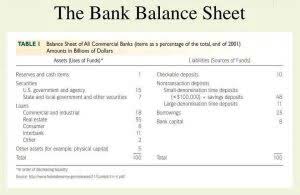
The balance sheet reflects the results of effective legal bookkeeping practices, showcasing the accurate categorization and recording of financial data. It is a crucial document for https://nautilisseaworkslimited.com/2021/06/17/kern-county-california-assessor-s-office/ partners and stakeholders to understand the firm’s financial health and make informed decisions. A balance sheet for a law firm is a financial statement that provides a snapshot of the firm’s financial position at a given moment.
Top 12 Law Firm Accounting Best Practices
Legal billing often involves complex arrangements including contingency fees, flat fees, hybrid billing models, and hourly billing with different rates for different activities or professionals. This complexity requires more sophisticated revenue tracking than many other businesses. To learn more about managing IOLTA/Trust Accounts for law firms click here. When it comes to our record-keeping, the handling of our Trust account was and continues to be most important. Now that we work with Lescault and Walderman, they are responsive to our needs. Clear financial data reporting and analysis provides confidence in operational decision, management, transparency, and partner trust.
- However, it’s easy to make attorney bookkeeping and data entry mistakes when you have to maintain and complete your day-to-day transactions manually.
- Once you’ve determined what kinds of payments your firm will accept, you’ll then need to choose a payment provider to work with.
- Turn your receipts into data and deductibles with our expense reports that include IRS-accepted receipt images.
- Additionally, certifications such as Certified Public Accountant (CPA) or Certified Bookkeeper (CB) can demonstrate a higher level of expertise.
- Before meeting with a bank representative, call ahead and ask what paperwork you need to bring to your initial appointment.
Choosing a bank

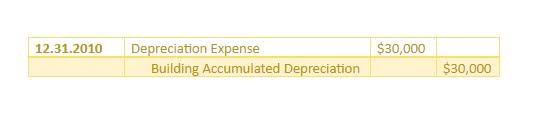
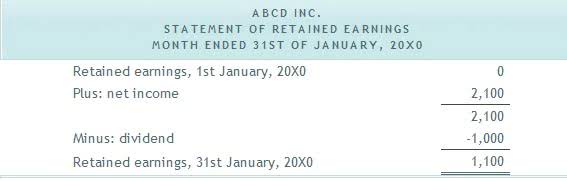
Bookkeeping and accounting are often used interchangeably, but they are not the same. Bookkeeping is the initial step in the accounting process, involving the recording and categorization of financial transactions, bank reconciliation, and income and expense tracking. Accounting builds upon bookkeeping by law firm bookkeeper using the financial records to offer business advice, create financial statements, and manage tax filings. Your law firm bookkeeper maintains accurate and up-to-date financial records for the law firm.
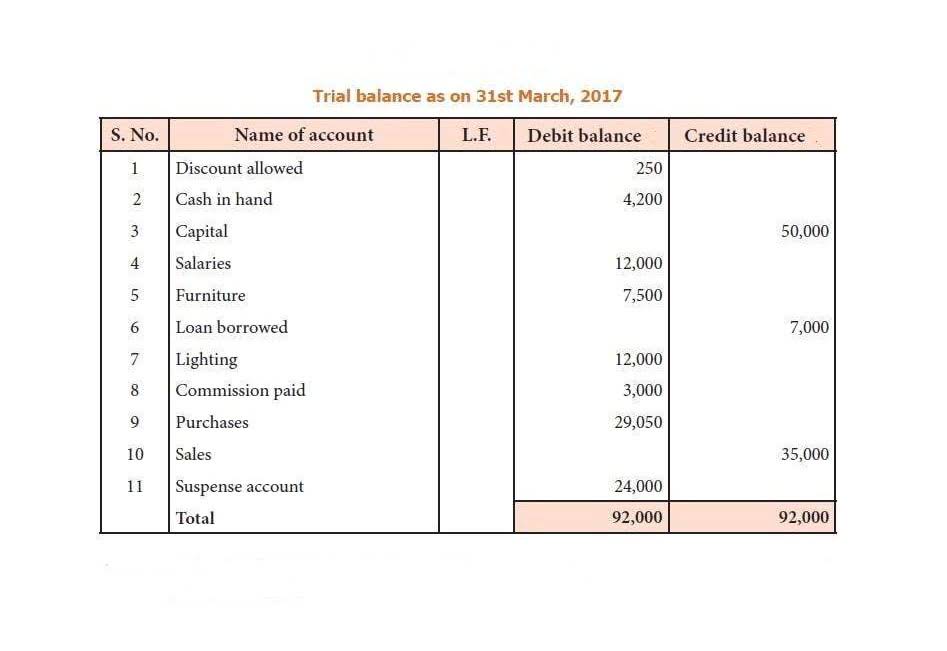

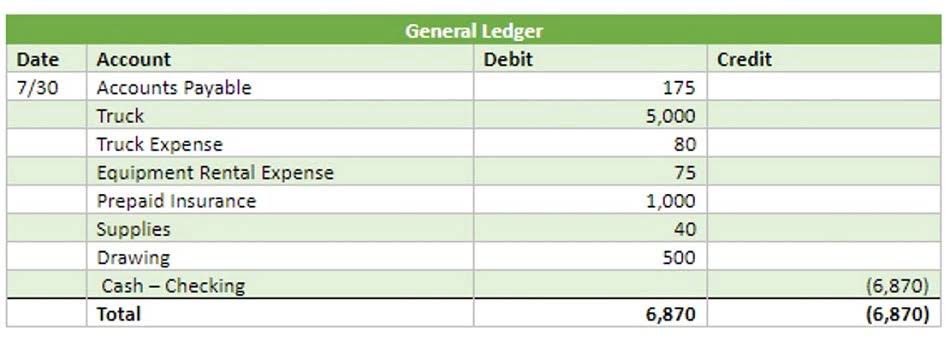
For law companies to have accurate bookkeeping, they need to keep detailed and well-organized records. Irvine Bookkeeping makes sure that all of your financial documents are kept safe and HOA Accounting easy to find. The Trust ledger provides a summary of all the transactions involved in a trust account.